


Nobody's favorite color is orange.
Ask a room of grown-ups and you'll hear blue, then green, then blue again. Orange comes up late, if it comes up at all, and people say it a little apologetically, the way you'd admit to still liking a song you were supposed to have outgrown.
Ask a five-year-old, though, and orange is doing great. It's the crayon worn down to a stub while the tasteful colors sit in the box, untouched, being tasteful. Somewhere between that stub and your first grown-up sofa, somebody talked you out of it. Orange is loud, or childish, or a bit much. And you believed it, because everybody believed it, and believing what everybody believes is very relaxing.
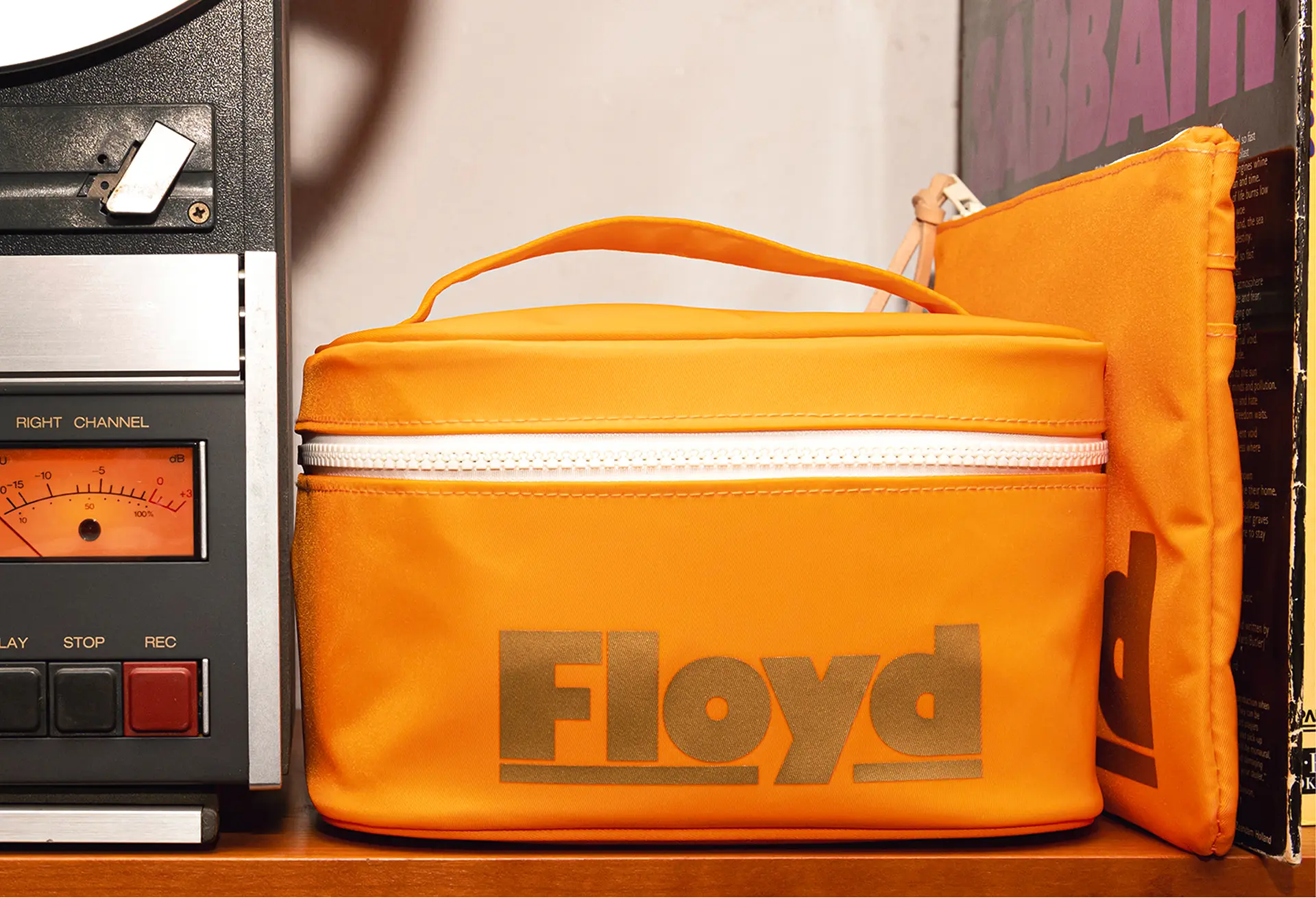
The five-year-old was right, by the way. Orange is the color the eye catches first. It's why it ends up on life vests and traffic cones and anything that needs to be seen in a hurry. It carries across a field. It cuts through fog. Orange can't do quiet and won't do subtle, and somewhere along the way we decided that makes it tacky. It doesn't, it makes it honest. Meanwhile we painted everything the color of wet cement and told each other it was sophisticated. Cement isn't sophisticated. It's just cement.
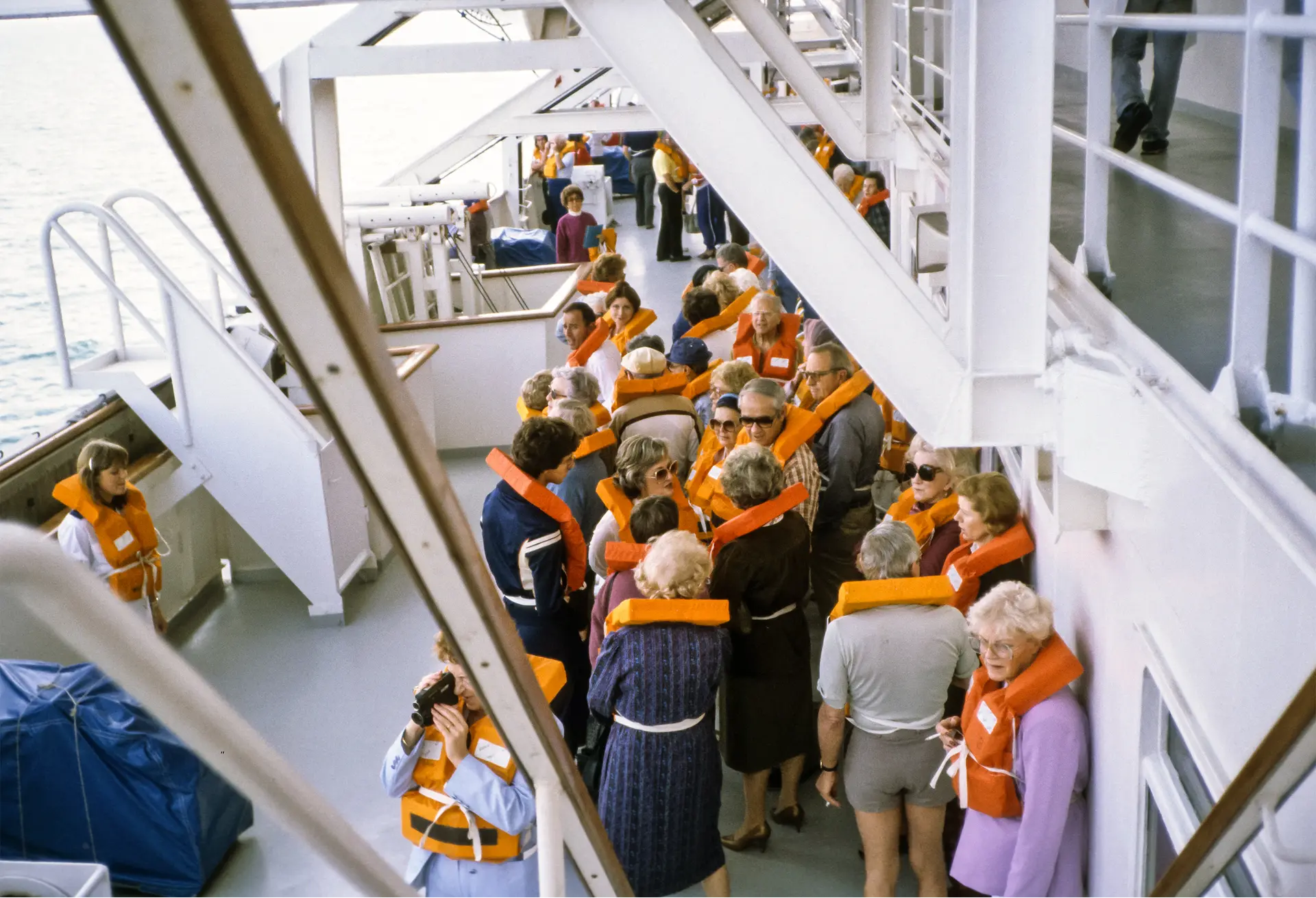
The seventies never fell for any of this.
The seventies loved orange the way you're supposed to love things: openly, everywhere, without checking first. It was in the kitchen, on the heavy cast-iron pot glazed the color of molten metal, the pot everybody's mother had, the pot that outlived the marriage and the house and the decade and still turns up at flea markets glowing like the day it was poured. It was in the driveway, on race cars and camper vans and the bus that always looked like it was going somewhere better than you were. It was on the paperbacks and the record sleeves. And once polyester showed up, it was on everyone, collar to cuff, tangerine to rust to burnt terracotta. For about ten years a good part of the world got dressed like a sunset and nobody said a word.
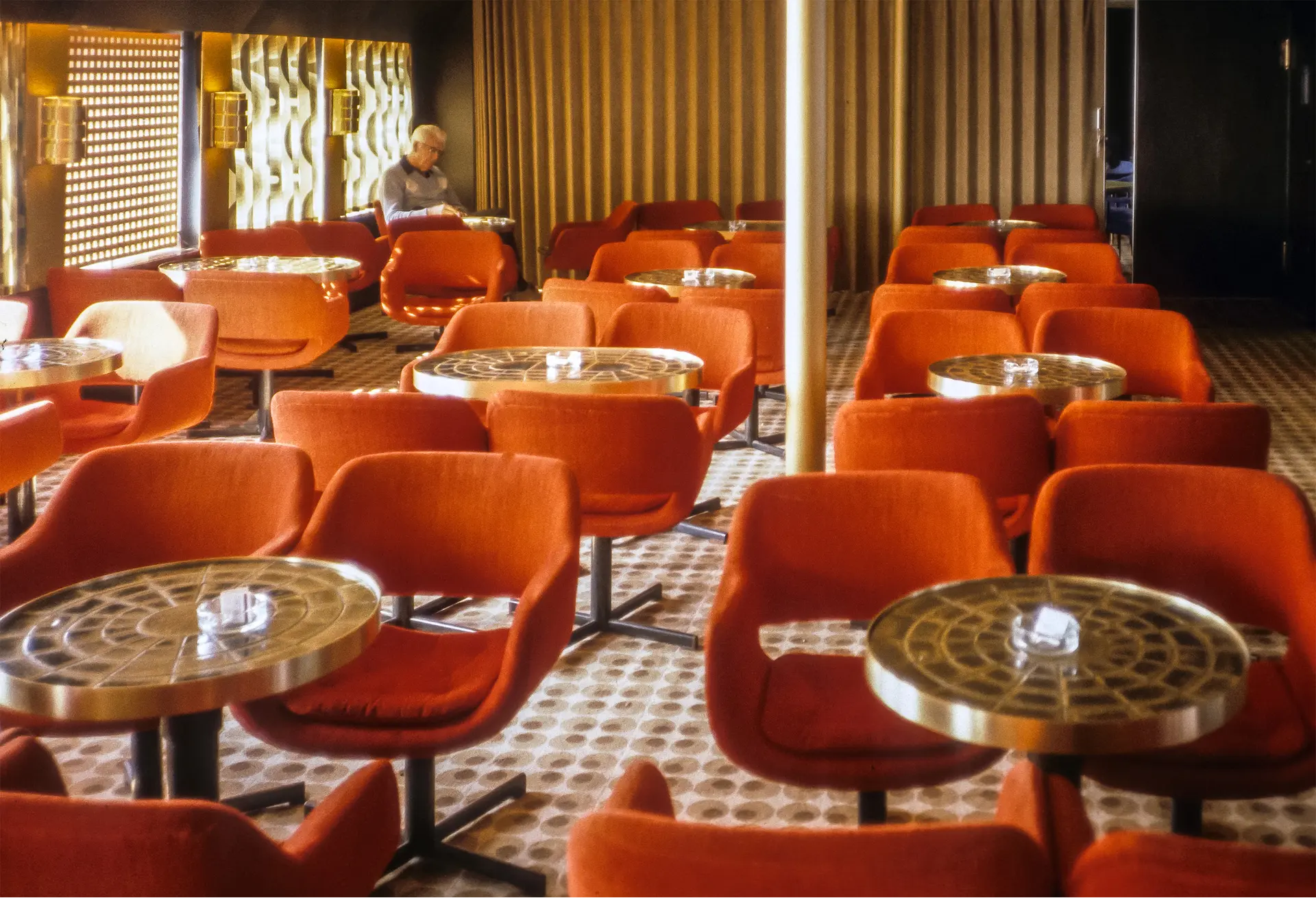
Even the movies were in on it. Most of the decade was shot on Kodak's Eastman Color negative, stock 5254 and later 5247, film balanced for tungsten light and tilted toward red and gold. Reds came out hot. Skin came out bronzed. Watch anything from those years and the light sits lower and thicker, more like a sunset than a screen. That glow you remember isn't your memory being generous. It was in the film the whole time.
Then everyone grew up, and the color drained out. Walk through a car park now: white, silver, grey, black, white, silver, grey, black, all the way to the end. Wardrobes went black. Living rooms went greige, which was just a nicer name for boring. Orange got folded away with the other things you're supposed to leave behind, and most people never went looking for it again.
It couldn't stay on the cars. It came off the walls, out of the wardrobes, out of the kitchens. But it didn't disappear. It just needed somewhere the rules don't reach.

It found the inside of a suitcase.
Open a Floyd, any Floyd, the hard shells, the weekenders, the washkits, and there it is. The whole lining, top to bottom, orange. The outside of the bag is anything you like, grey, blue, green, pink, red, perfectly presentable, and then you unzip it on a hotel bed and out comes the decade.
Practically speaking, it means your black wallet never vanishes into a black bag. Mostly, it means the five-year-old won.
Photocredits:
featured products
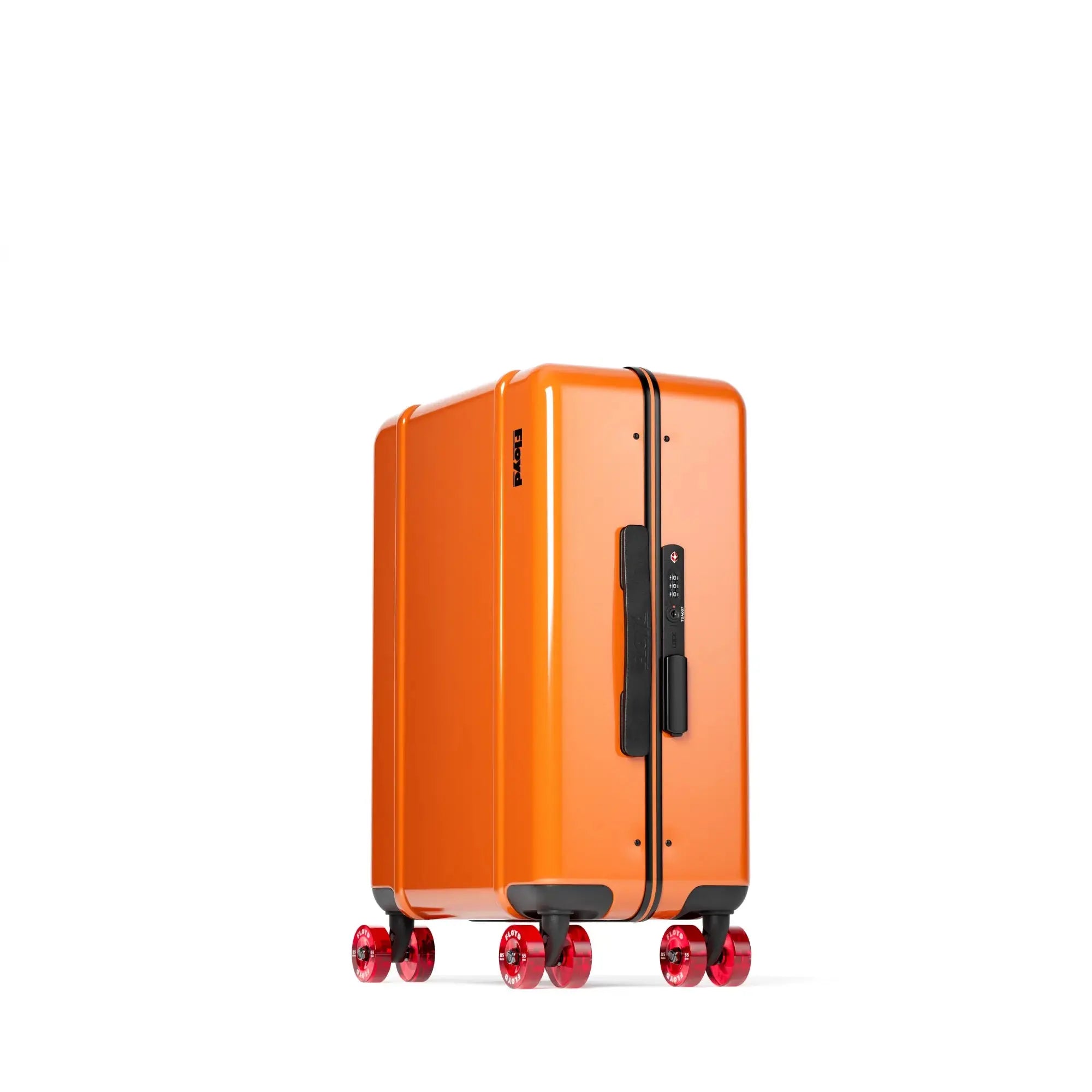
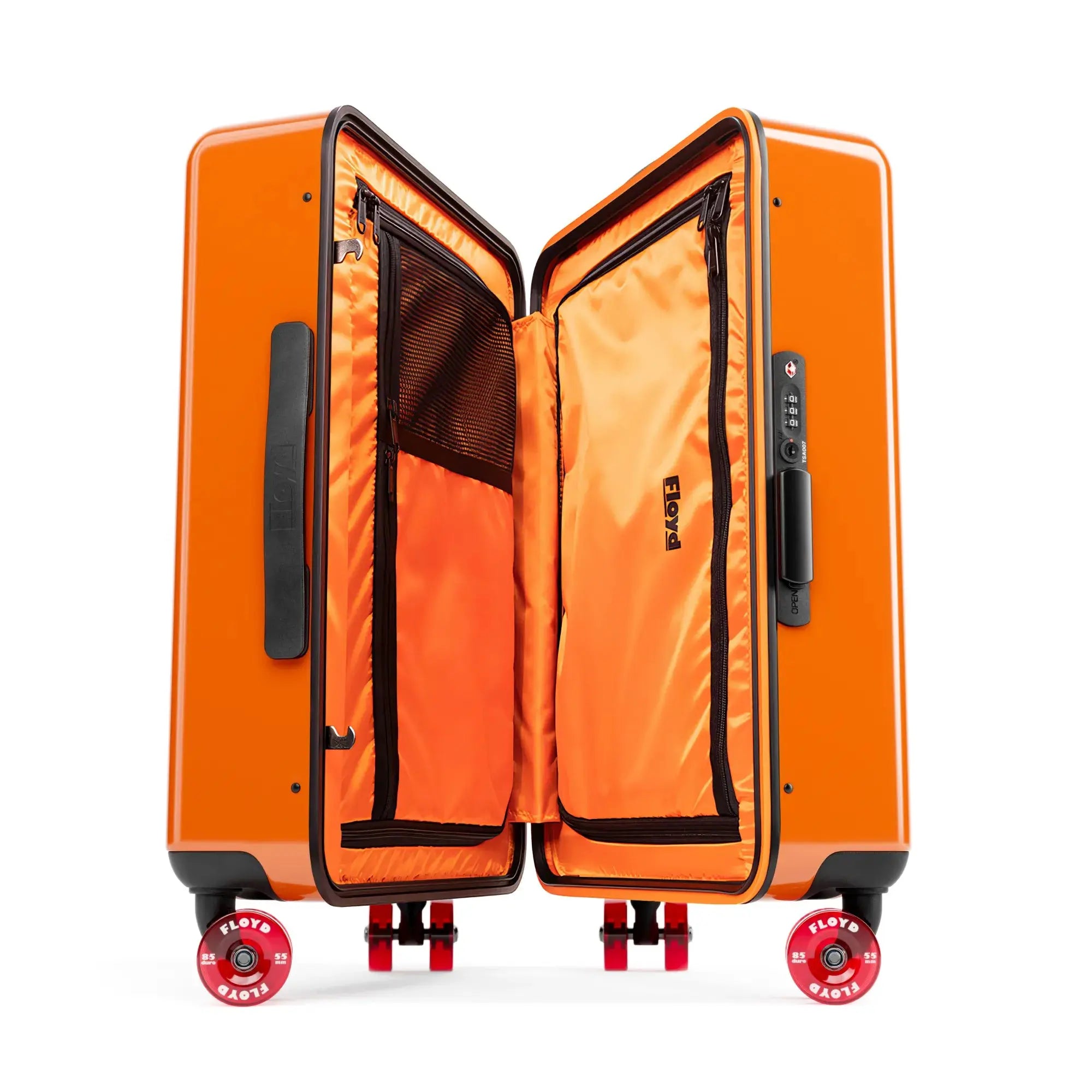
Hot Orange
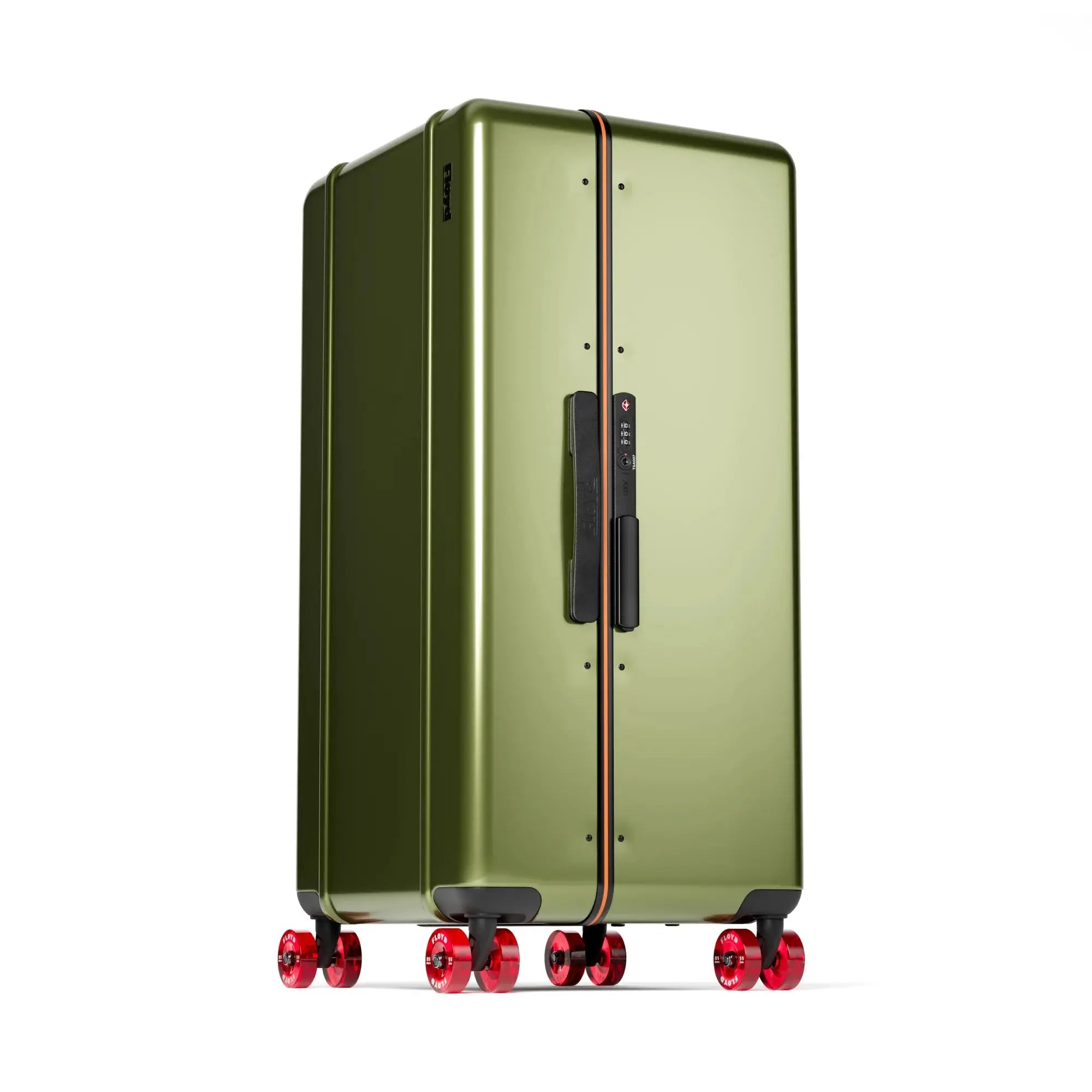
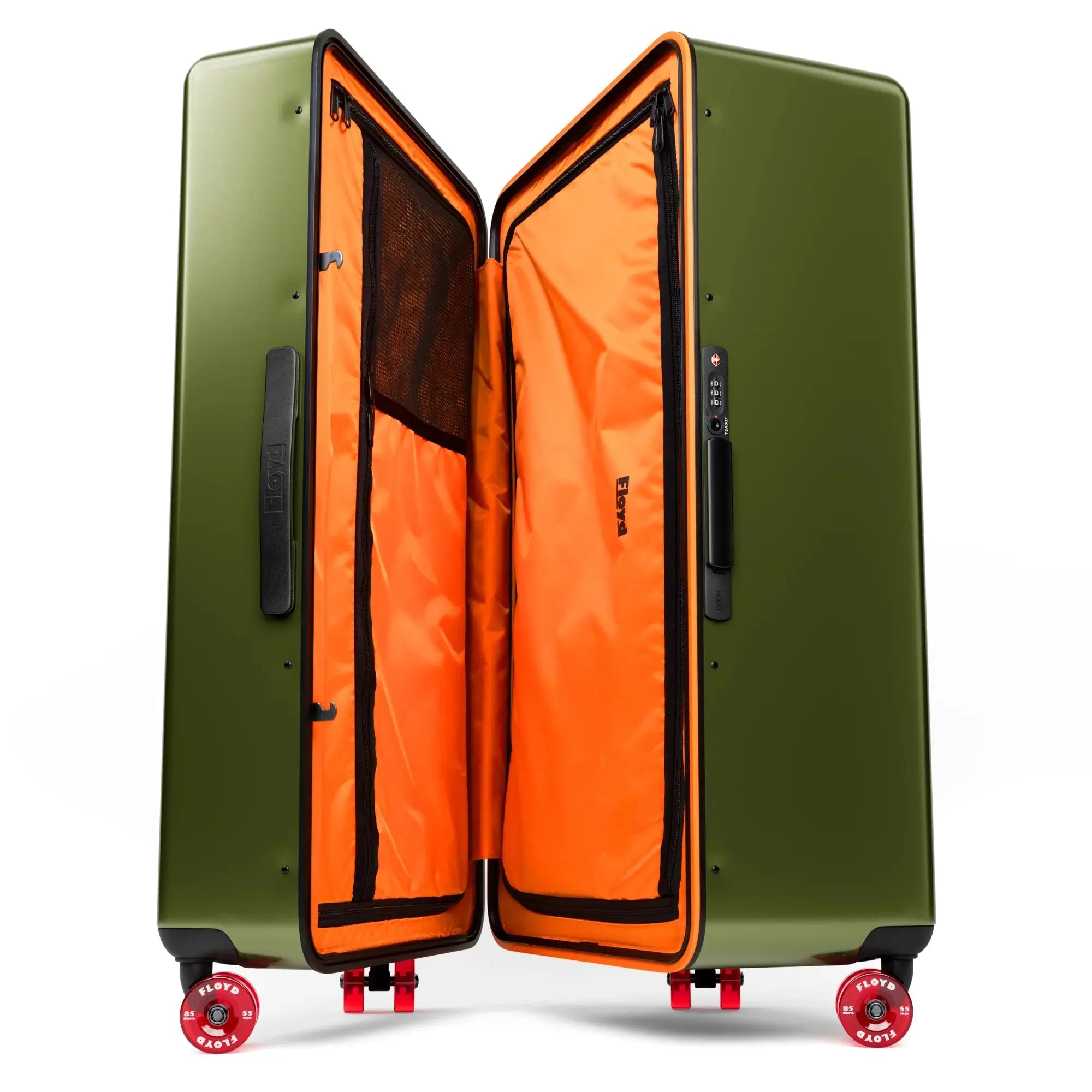
Vegas Green

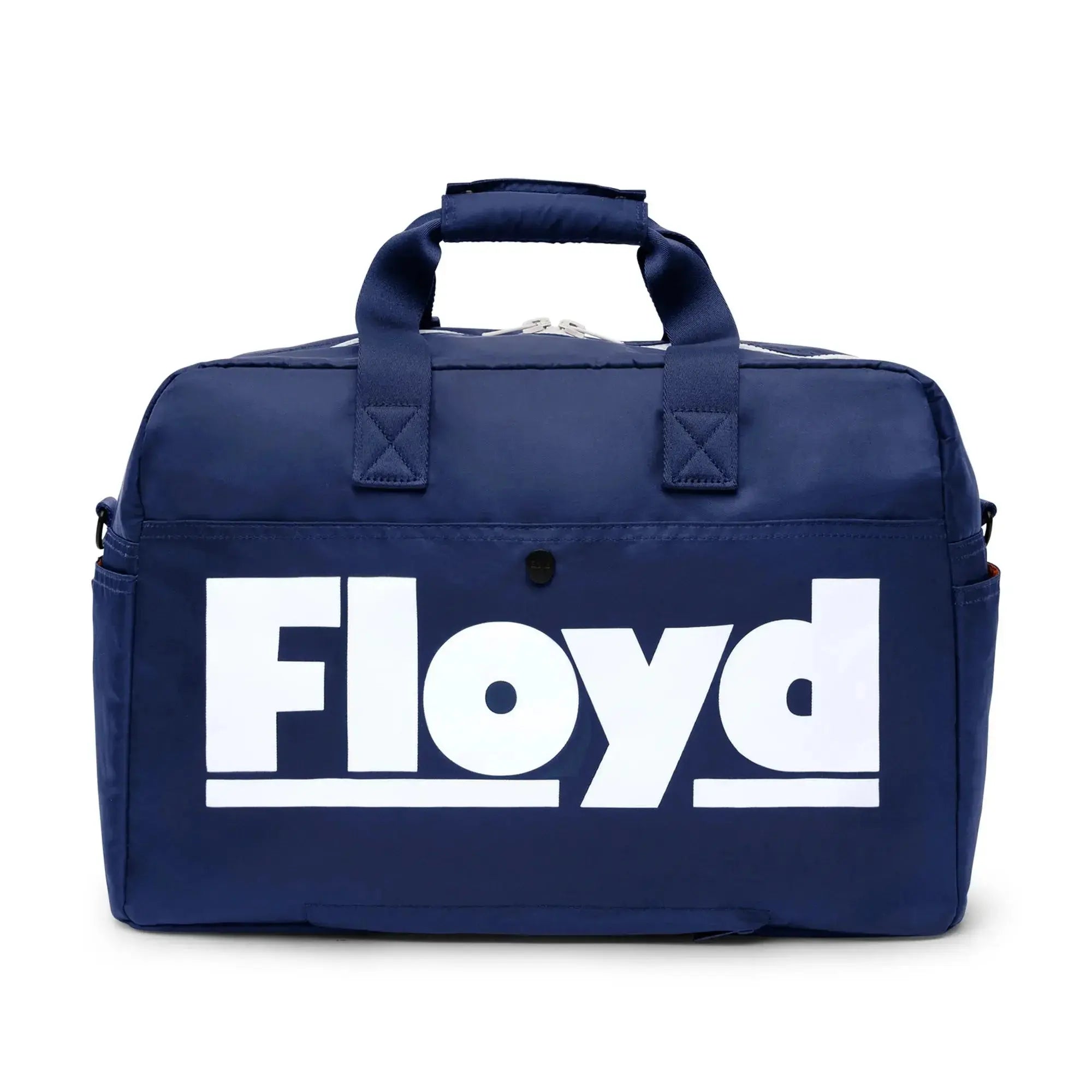
Shark Blue