


FLOYD at le mans classic
Most of the year, the Mulsanne straight is just a road. Trucks use it. Commuters. There's a speed limit, reasonably enforced. For fifty weeks it's the most ordinary stretch of tarmac in France, dead straight, running past farmland outside a city most people couldn't find on a map.
Twice a year, they close it off, and it becomes the fastest piece of road in racing history. A car once passed 400 km/h here. Flat out, in the dark, loud enough to feel in your chest from half a mile away. Then the racing ends, the barriers come down, and it goes back to being a road.
That's Le Mans. Ordinary, until it very much isn't.
The race responsible for all this, the 24 Hours of Le Mans, was first run in 1923, and the idea has never changed: drive as fast and as far as you can, without stopping, for a full day and a full night. You don't win by being quickest. You win by still being out there when the sun comes up.
The old cars never really left, either. Since 2002, Le Mans Classic has been bringing them back to do exactly what they were built for. Not parked on a lawn with a rope around them. Racing, on the real circuit, at real speed. Starting this year the Classic runs annually, alternating between two formats: Heritage for the early decades, and Legend for 1976 to 2015, the years of Group C, the thunderous sports prototypes of the '80s and the fastest machines ever to lap this place. This July was Legend's first running, and Floyd was on the grid.
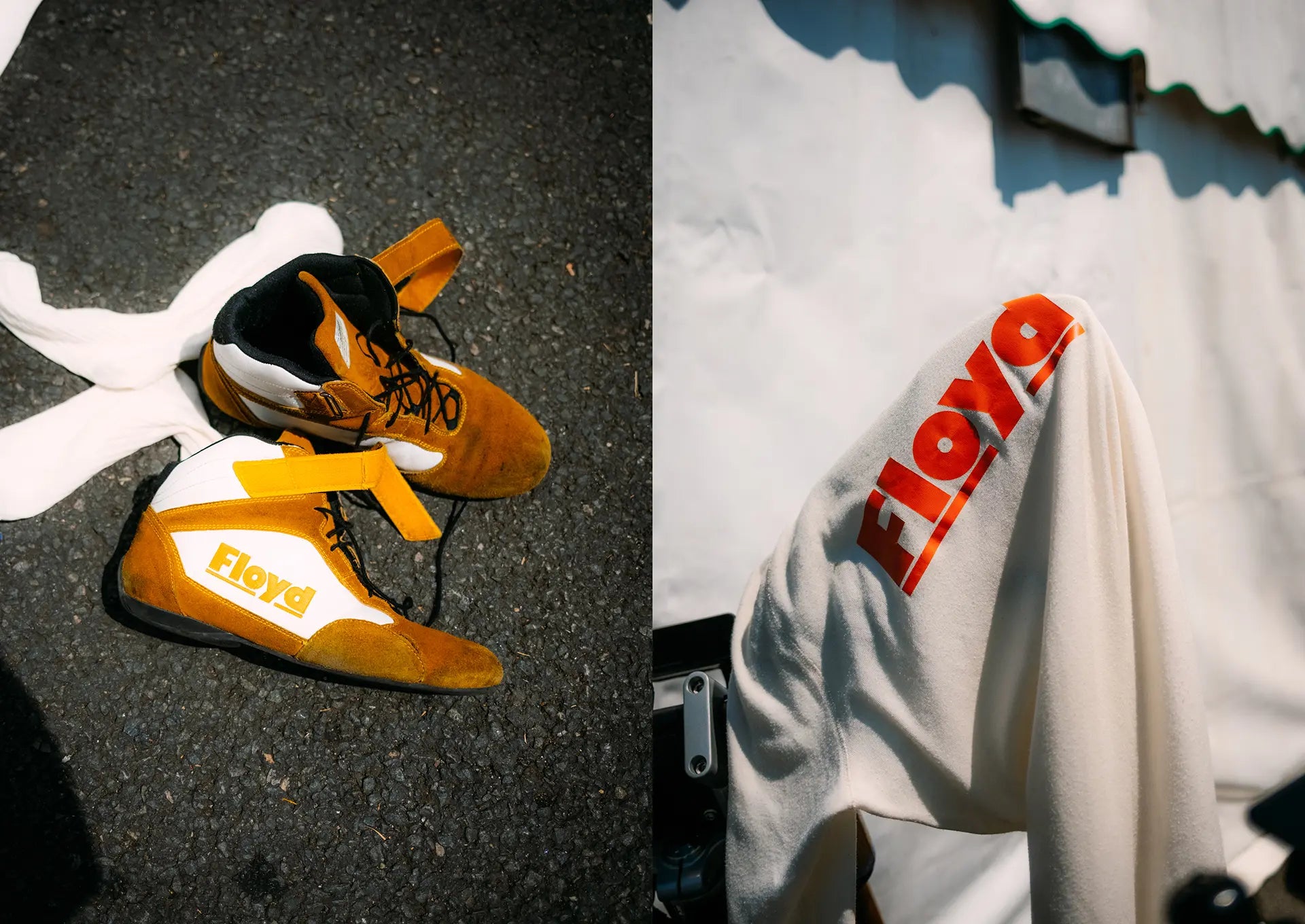
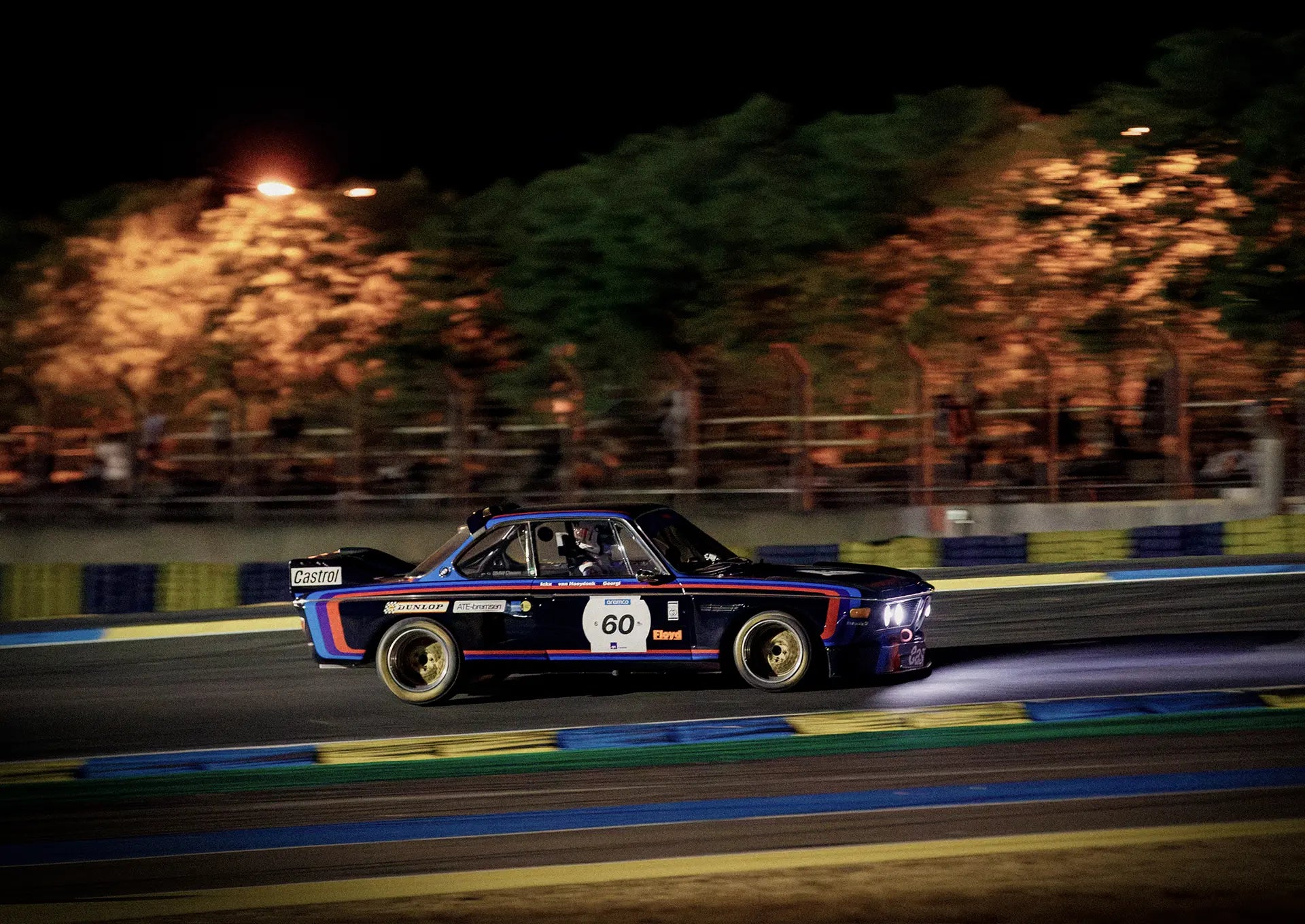
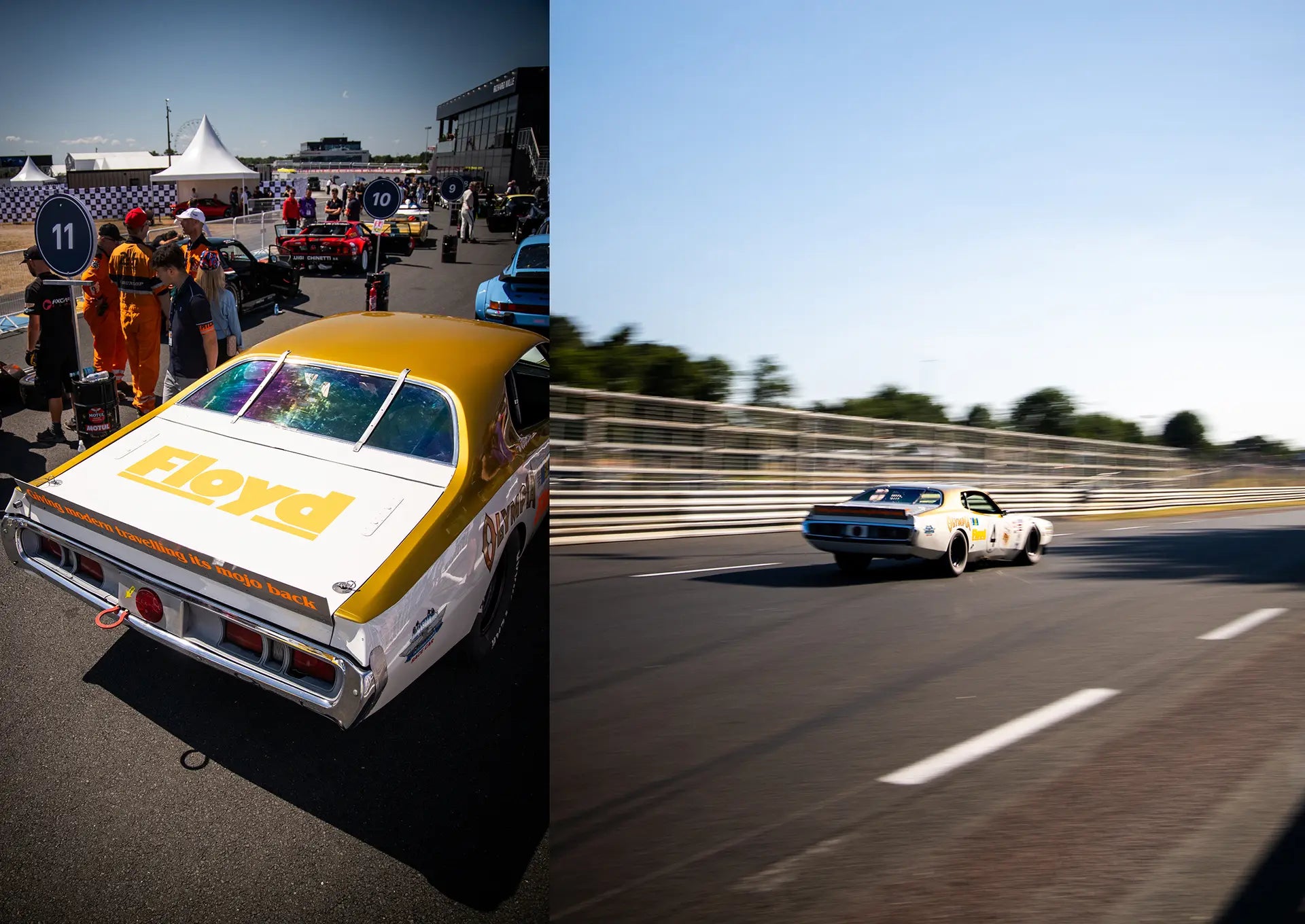
We ran two cars. One was a BMW 3.0 CSL, the winged coupe they called the Batmobile. The other was a '70s Dodge Charger, an American muscle car in a paddock full of prototypes, exactly as loud as you're imagining. The Charger, it turned out, was in good company. Fifty years ago, in 1976, NASCAR's stock cars crossed the ocean to race at Le Mans for the first time, and nobody was quite sure what to make of them. This year, to mark the anniversary, more than thirty historic stock cars came back.
We've been coming here a while ourselves. In 2020 our name ran through the actual 24 Hours on an LMP1 prototype, the ByKolles Enso CLM P1/01. In 2023the same team returned with a hypercar, entered this time as the Floyd Vanwall Racing Team. Along the way we built the crew a small run of travel cases for the season. Racing teams live out of their luggage for half the year. The cases never went on sale.
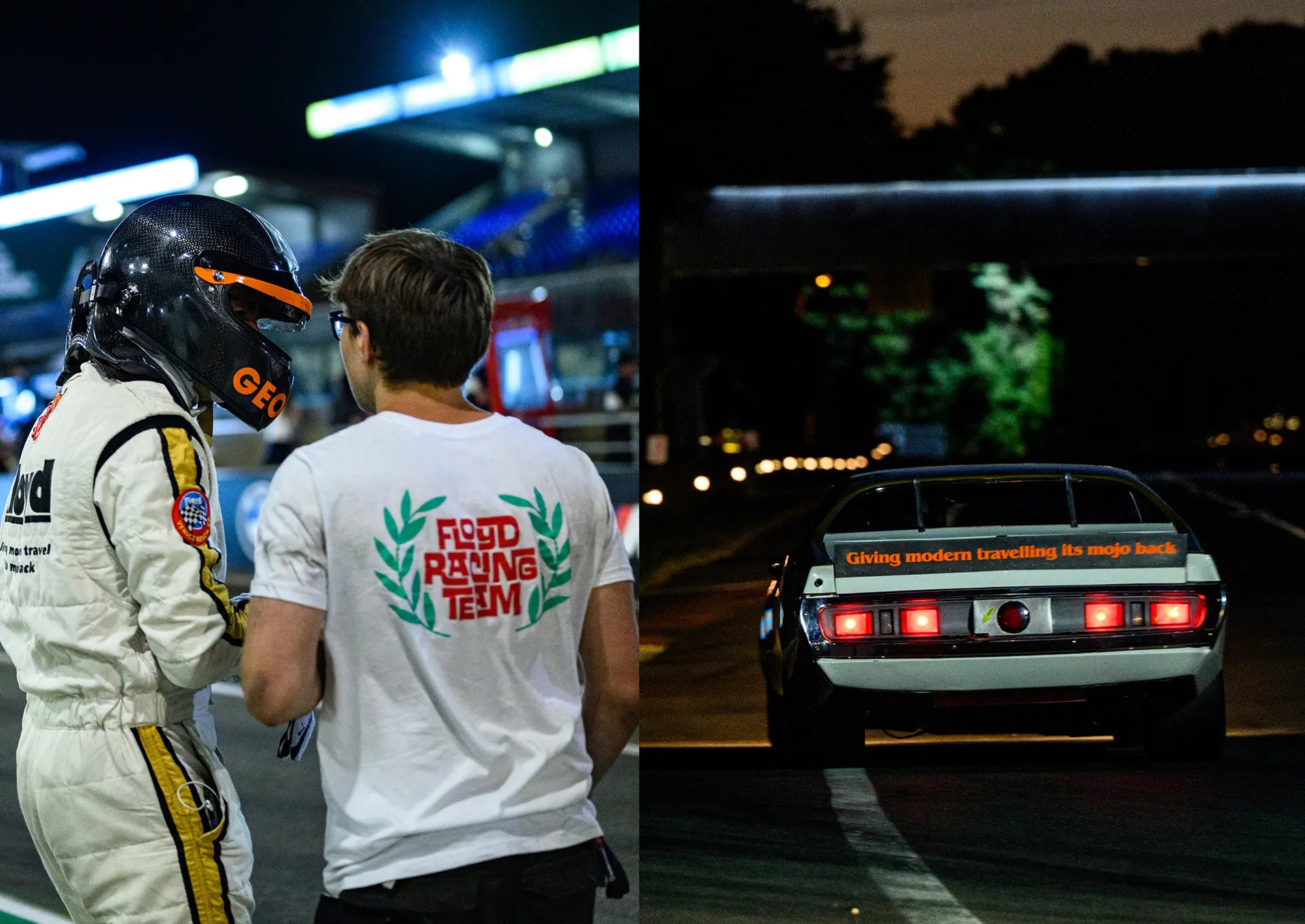
Jacky Ickx, a friend of the house, won this race six times. In 1969, drivers still started the race by sprinting across the track and leaping into moving cars. It looked magnificent, and it was a terrible idea. Men would run the opening laps with their belts undone rather than lose time buckling in. Ickx refused to run. He walked to his car while the field screamed away without him, sat down, and took his time with the harness. The grandstand thought it was a joke. He started dead last.
Twenty-four hours later he won, by about 120 meters. The sprint start was banned the following season. We've asked him about it more than once, and he waves it off the same way every time: it wasn't bravery, it was common sense.
In 1970, Steve McQueen tried to enter the 24 Hours, sharing a Porsche 917 with Jackie Stewart. His insurers killed it.
So he made a film instead and smuggled as much race into it as a contract would allow. Part of it is genuine footage from the race itself; the rest was shot afterward at real speed on the real circuit, McQueen driving most of his own scenes. For the first half hour, almost nobody speaks.
The film lost money and then quietly outlived every review. Half a century later, it's the reason people who've never seen a race car in real life know what a 917 sounds like. It's also the reason McQueen has been pinned to the wall of our studio since the first sketches of the first case.
Saturday night, just after one, the Group C cars went back out. Headlights down the Mulsanne, flat out, in the dark, loud enough to feel in your chest from half a mile away.
By the time you read this, the barriers are down and the Mulsanne is a road again. Trucks, commuters, a speed limit. It will wait, the way it always does, until someone remembers what it's actually capable of, and lets it prove it. So will we.
Photocredits:
Paul Stalmann & Mate Boér & Wouter Melissen
featured products


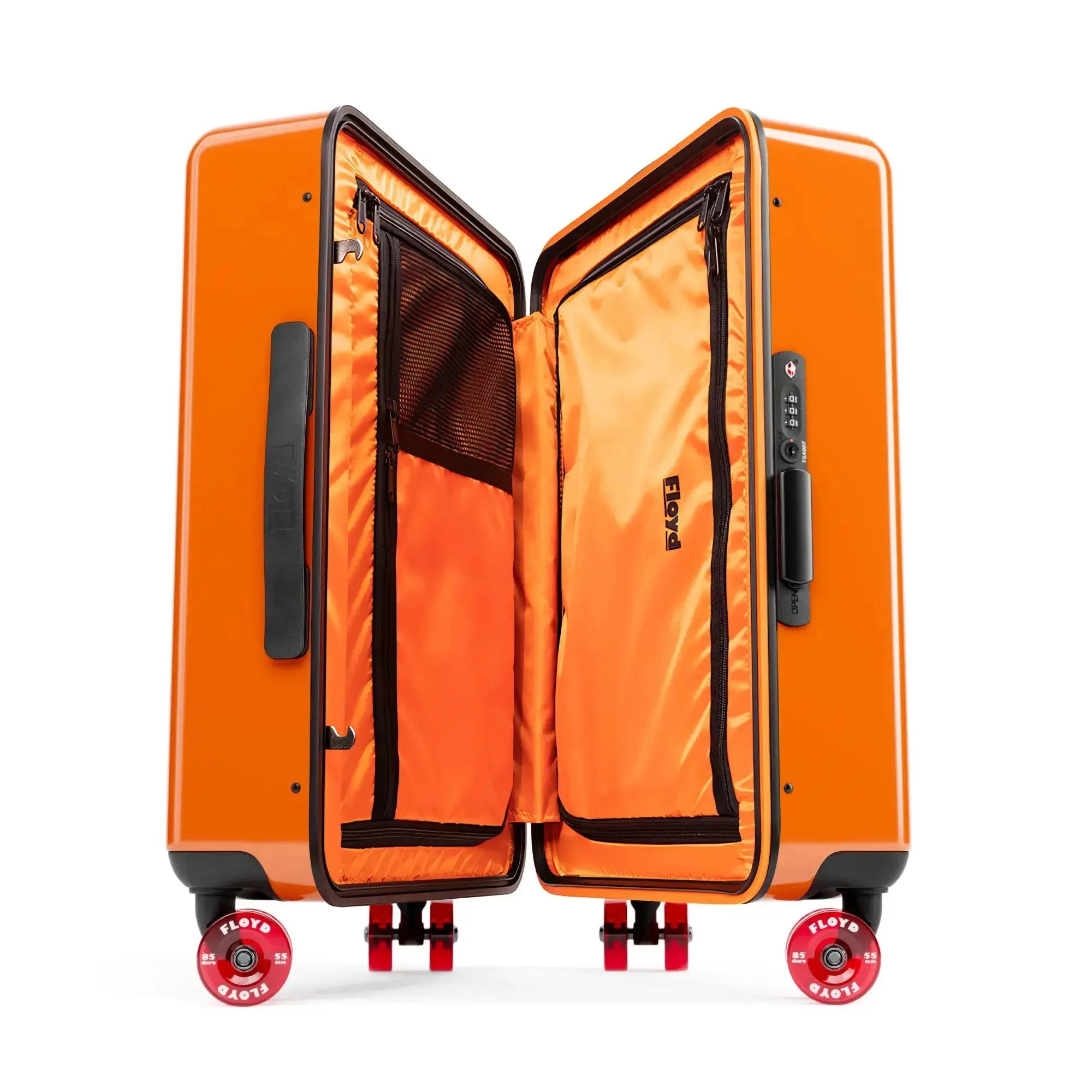
hot orange

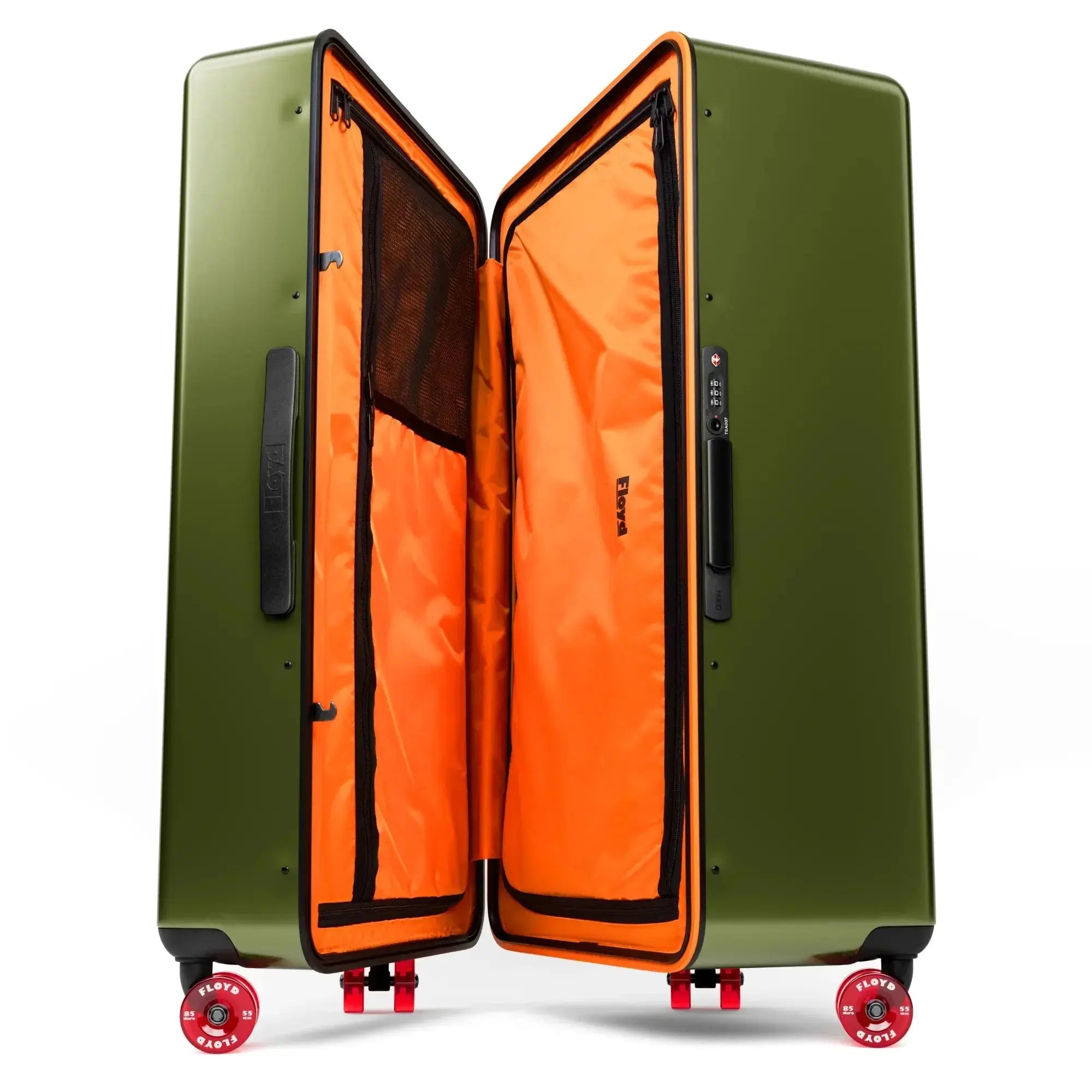
vegas green

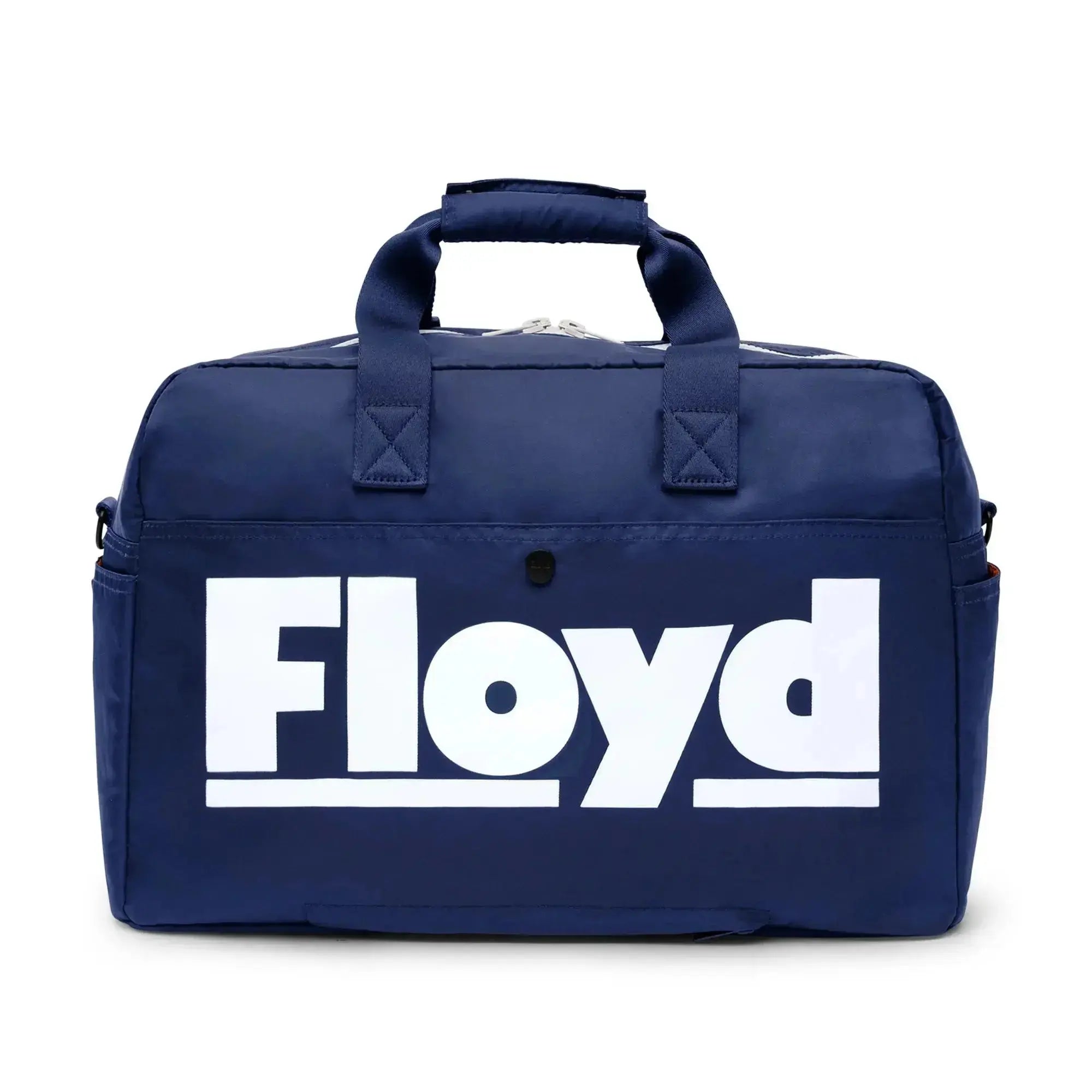
shark blue